
-
Introduction
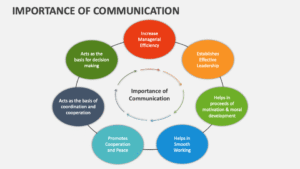
Importance of Communication Skill refer to the ability to convey information clearly and effectively through verbal, non-verbal, and written means. These skills encompass speaking, listening, body language, tone of voice, and the ability to understand and respond appropriately in different situations.
Communication is a foundational aspect of human interaction, making it highly relevant in various areas of life, including personal relationships, academic environments, and professional settings. In our personal lives, effective communication fosters understanding, trust, and stronger emotional connections. Academically, it aids in collaboration, presentation, and learning.
Professionally, strong communication skills are vital for teamwork, leadership, conflict resolution, and career advancement. In essence, effective communication is not just a desirable trait—it is a critical tool for success and building meaningful relationships in all areas of life.2.Personal Development
Importance of Communication Skill play a crucial role in personal development by enhancing self-expression and building confidence. When individuals can articulate their thoughts and feelings clearly, they are more likely to feel understood and respected, which in turn boosts self-esteem.
 This ability to express oneself effectively also strengthens interpersonal relationships with family, friends, and the wider community. Open and honest communication fosters trust, reduces misunderstandings, and creates deeper connections. Furthermore, communication skills are vital in resolving conflicts in a healthy and constructive way. They allow individuals to listen actively, empathize with others’ perspectives, and respond thoughtfully rather than react emotionally. This contributes to greater emotional intelligence, helping people manage their emotions, navigate social situations, and maintain positive relationships throughout life.
3. Academic Success
Importance of Communication Skill is fundamental to achieving success in academic settings, as they enable students to clearly present their ideas both verbally and in writing. Whether through essays, presentations, or class discussions, the ability to articulate thoughts in a structured and coherent manner enhances academic performance and allows students to demonstrate their knowledge effectively.
Additionally, strong communication promotes better collaboration during group projects, where clear dialogue, active listening, and respectful exchanges of ideas are essential for teamwork. Participation in classroom discussions also becomes more meaningful and engaging when students are confident in expressing their views and responding to others.
Moreover, communication is key to effective learning—it helps students ask questions, seek clarification, and engage more deeply with the material. Overall, communication skills not only support academic achievement but also prepare students for future educational and professional challenges.
Types of Communication Skills
Communication is a multifaceted skill that encompasses several different forms, each playing a vital role in how we convey and interpret messages. Verbal communication, which involves spoken language, is perhaps the most direct and commonly used form. It includes conversations, speeches, and discussions where clarity, tone, and articulation are key to being understood.
Non-verbal communication complements verbal messages and includes body language, facial expressions, gestures, posture, and even eye contact. These subtle cues can reinforce or contradict what is being said, often conveying emotions more powerfully than words.
Another essential form is written communication, which includes emails, reports, text messages, and social media interactions. Effective written communication requires clarity, proper grammar, and an understanding of the audience to ensure that the message is received as intended. Finally, listening is a critical yet often overlooked communication skill.
Active listening involves giving full attention to the speaker, understanding their message, and responding thoughtfully. It also requires empathy—being able to understand and relate to others’ feelings and perspectives. Together, these types of communication skills form the foundation of effective interaction in both personal and professional contexts
Conclusion
In conclusion, communication skills are vital across all areas of life, from personal development to academic success and beyond. They enhance self-expression, build confidence, strengthen relationships, and support effective teamwork and learning. As the foundation of meaningful interaction,
communication not only influences how we connect with others but also shapes our ability to grow and succeed. In a constantly evolving world, it is essential to continuously improve these skills by practicing regularly, learning new techniques, and adapting to different situations and audiences.
By making a conscious effort to develop strong communication habits, individuals can unlock greater opportunities, resolve conflicts more effectively, and build stronger, more fulfilling relationships throughout their lives.